An Innovative Care Program for Seniors
The Program of All-Inclusive Care for the Elderly (PACE) provides improved living and higher-quality outcomes for less cost.


The PACE Model of Care
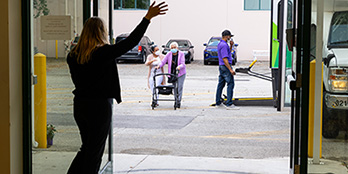
The Program of All-Inclusive Care for the Elderly (PACE) model of care is designed to help older adults remain in their home in the community for as long as possible. The PACE model provides both medical and social services and is a welcome alternative to nursing home care for many older adults. An interdisciplinary health care team implements a comprehensive and individualized care plan to address the chronic health needs of participants and provides assistance for family caregivers.
Participants Are at
the Center of PACE
Select an Interdisciplinary Team Role
to Learn More

Members and Participants Talk About PACE

PACE is a special program that has the potential to greatly reduce the health inequity in our rural communities. This is how health care should work.
 Rob Williams, Sr.
The PACE program is excellent. Any time anyone needs help, they are there, and the staff is so friendly and caring. Oh, don't forget the food, so good. My counselor was also by my side during my grieving, and I am so grateful.
 Belinda Allen
Before I Found PACE
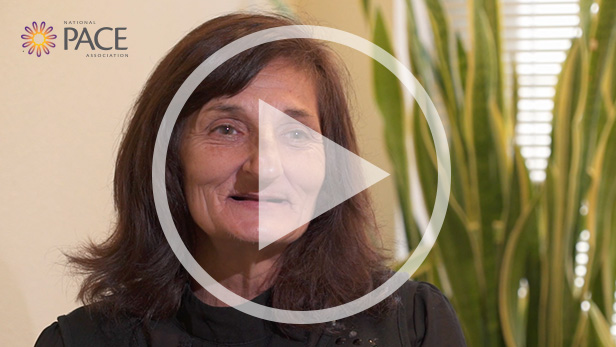
The Before I Found PACE Series highlights the experiences of PACE participants and family caregivers.
Bernadette Jensen experienced homelessness for years before enrolling in St. Paul’s PACE in San Diego. St. Paul’s PACE is part of People Assisting the Homeless (PATH), a coalition of organizations that address homelessness in the city. Jensen receives health care and other services from the PACE program, which partnered with Father Joe’s Villages to provide her with housing.
PACE By The Numbers
95%
Live in the Community
16
Trips per month
21,918
Meals served per day

97.5%
of family caregivers would recommend PACE
PACE in the News More PACE in the News

NPA News NPA News